
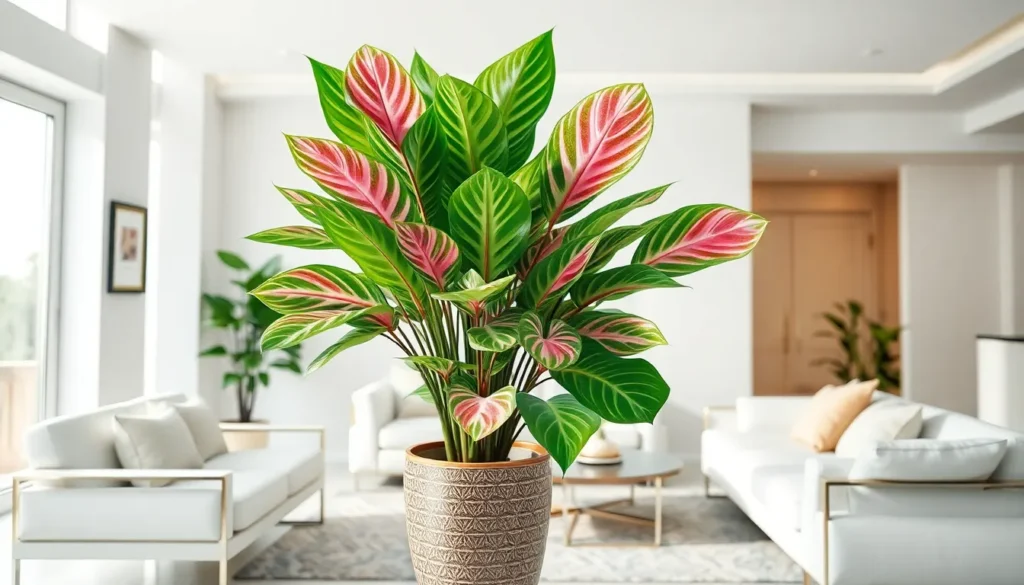
Imagine this: a lush green plant gracing your home, effortlessly uplifting your spirits while requiring minimal care. Sounds too good to be true? Enter the fabulous Aglaonema. Often dubbed the Chinese Evergreen, this plant has gained fame for its striking beauty and resilience. In a world where indoor plants can either thrive or wilt at a moment’s notice, Aglaonema stands as a steadfast friend. Get ready to discover why this botanical wonder deserves a premier spot in your living space.
Understanding Aglaonema

Origin and History of Aglaonema
Aglaonema, the pride of Southeast Asia, has made quite the journey through time. Originally hailing from tropical regions, this plant has been appreciated for centuries, not just for its aesthetic charm but also for its air-purifying abilities. In the past, it was often regarded as a symbol of longevity and good fortune, making it a beloved choice in homes and offices alike. As it spread across the globe, enthusiasts began to realize its versatility and adaptability, which only heightened its popularity.
Physical Characteristics and Varieties
What makes Aglaonema truly captivating? For starters, its stunning array of colors can make any plant lover swoon. With lush green leaves adorned with striking pink, red, or white patterns, Aglaonema comes in several varieties, each offering a unique visual feast. Some popular types include the Silver Bay, with its silvery-green foliage, and the Red Siam, boasting bold red edges. Whether in a small pot or standing majestically in the corner, each Aglaonema variety speaks to its aesthetic elegance.
Importance of Aglaonema in Interior Design
Aesthetic Appeal and Color Varieties
Aglaonema’s allure doesn’t just stop at its delightful looks: it brings life to any room it adorns. Interior designers have recognized its charming presence, incorporating it into various themes, from modern minimalist to cozy bohemian. Its various hues and patterns lend an incredible versatility that allows it to shine in nearly any setting. Whether placed on a windowsill or as a floor plant, it becomes a focal point, drawing attention effortlessly.
How to Incorporate Aglaonema in Home Decor
So, how can one elegantly introduce Aglaonema into home decor? Consider placing a tall variety in a decorative pot near a seating area, providing a pop of color and refreshing ambiance. For smaller spaces, tabletop versions can create an inviting atmosphere. Mixing different varieties of Aglaonema also offers a playful contrast, adding layers of depth to the decor while giving a vibrant feel. A simple arrangement of Aglaonema in a stylish planter can transform a dull corner into an eye-catching nook.
Care Tips for a Thriving Aglaonema
Optimal Light and Temperature Conditions
Caring for Aglaonema doesn’t have to be complicated. One of the keys is understanding its lighting needs. While it thrives best in medium, indirect sunlight, this plant is incredibly adaptable. It can tolerate low light conditions, making it a perfect fit for dimly lit spaces. Just be cautious, too much direct sunlight can scorch those beautiful leaves. As for temperature, Aglaonema prefers a cozy environment, ideally in the range of 65 to 80 degrees Fahrenheit.
Watering and Humidity Requirements
When it comes to watering, less is often more with Aglaonema. Over-watering can lead to root rot, so it’s essential to let the soil dry out completely between waterings. A good rule of thumb? Water once the top inch of soil feels dry to the touch. Humidity is another aspect to consider. While Aglaonema enjoys humidity, it can survive in dryer conditions. Regular misting or placing a humidity tray nearby can help enhance its vibrancy if moisture levels are low.
Common Pests and Troubleshooting
Identifying Health Issues in Aglaonema
Even the most resilient plants can face challenges. It’s essential to keep an eye out for common pests such as spider mites, aphids, and mealybugs. Regularly inspecting leaves for any sign of infestation can help catch issues early. Yellowing leaves may indicate over-watering, while brown tips could suggest a need for more humidity or care in watering practices. By staying attentive to these signs, one can quickly troubleshoot and nurse their Aglaonema back to health.
Prevention and Treatment Strategies
Preventing problems before they arise is a smart strategy when caring for Aglaonema. Establishing a consistent watering schedule and ensuring the right potting mix can create a stable environment for growth. If pests do appear, natural remedies like neem oil can be effective. Regularly cleaning the leaves not only boosts their shine but also helps in pest management. By incorporating these strategies, Aglaonema can thrive beautifully.
Aglaonema’s Symbolism and Cultural Significance
The rich cultural significance of Aglaonema makes it a favored choice in many households. In many cultures, this plant symbolizes luck, prosperity, and longevity, reflecting hopeful sentiments. It’s often gifted during festive seasons or placed strategically in homes to attract good fortune. Beyond its beauty, Aglaonema stands as a living token of positivity, connecting people with nature and the symbolism of growth and resilience.


