
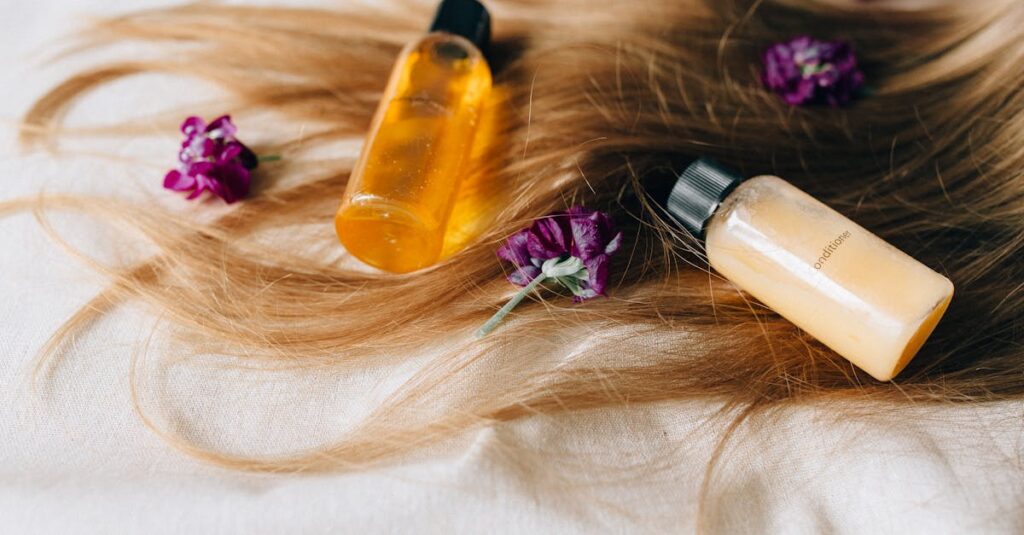
Dyeing hair at home can feel like a daring adventure—one that promises to transform not just hair but also confidence. Why shell out big bucks at the salon when you can channel your inner Picasso right in your bathroom? With a little preparation and the right steps, anyone can achieve salon-worthy results without the hefty price tag. Plus, who doesn’t love the thrill of a DIY project that doesn’t involve assembling IKEA furniture?
Table of Contents
ToggleUnderstanding At-Home Hair Dyeing
At-home hair dyeing offers a creative and cost-effective approach to hair coloring. With the right tools and knowledge, individuals can achieve salon-like results in the comfort of their homes.
Benefits of At-Home Hair Dyeing
Cost savings represent a major advantage of at-home hair dyeing. Individuals avoid high salon fees while maintaining control over color choices and application techniques. Convenience plays a crucial role; users can choose their timing without needing to schedule appointments. Flexibility allows for immediate touch-ups or complete color changes, matching personal preferences. Experimentation becomes easy, fostering creativity and enabling unique styles. Lastly, the satisfaction of achieving desired results enhances the overall experience.
Common Myths About Hair Dyeing
Relying on common myths can lead to confusion in hair dyeing. One prevalent myth suggests that only professionals can achieve great results. Many individuals have successfully dyed hair at home without professional assistance. Another misconception involves the perception that all hair dyes damage hair. Numerous products are now available that prioritize hair health while delivering vibrant color. A third myth claims that lighter shades work on any hair color. Achieving the desired shade often requires specific techniques or pre-lightening. Finally, many believe home dyeing is always messy, though adhering to best practices can minimize spills and mess.
Preparing for Hair Dyeing
Preparation sets the stage for successful at-home hair dyeing. This section covers essential steps like selecting the right hair color and gathering supplies.
Choosing the Right Hair Color
Selecting the perfect hair color requires consideration of skin tone and personal style. Cool skin tones pair well with shades like ash blonde or deep brown. In contrast, warm skin tones look great with golden blonde or rich auburn hues. Assessing how a prospective color complements natural features aids decision-making. Samples like swatches or virtual try-ons from retailers often help visualize potential outcomes. Understanding the benefits of semi-permanent versus permanent dye also influences choice. Semi-permanent options offer temporary color for those who enjoy experimenting without full commitment.
Gathering Necessary Supplies
Essential supplies streamline the dyeing process, ensuring a smooth experience. Start with a hair dye kit containing the dye, developer, and gloves. A mixing bowl and brush facilitate accurate application. Next, protective gear like an old shirt or cape prevents stains on clothing. Towel protection for surfaces such as countertops avoids unwanted mess. Finally, gather items for aftercare like shampoo, conditioner, and gloves for rinsing. Keeping all necessary tools within reach makes for quick and efficient work.
The At-Home Hair Dyeing Steps
At-home hair dyeing involves several organized steps to achieve vibrant results. Following these steps ensures a smooth and effective process.
Step 1: Performing the Strand Test
Start by selecting a small section of hair. This test determines how the color interacts with your hair type. Apply dye to this section and wait the recommended time. Check the result before proceeding with the entire head. This step prevents unexpected outcomes and allows for adjustments.
Step 2: Preparing Your Hair
Clean hair promotes better dye adhesion. Wash hair with a mild shampoo but skip conditioner. Dry hair lightly, leaving it slightly damp. Detangle hair gently to avoid breakage during application. Protection measures should include draping a towel over shoulders and applying petroleum jelly around the hairline.
Step 3: Mixing the Dye
Carefully follow the manufacturer’s instructions to mix the dye. Combine developer and color in a clean mixing bowl. Stir the mixture until it achieves a smooth consistency. Make sure to wear gloves throughout this step. Proper mixing enhances color effectiveness and reduces the chance of clumps.
Step 4: Application Techniques
Section hair into four areas for easier application. Use a brush to apply dye, working from roots to ends. Ensure even saturation by applying dye generously. Avoid missed spots by checking each section thoroughly. Consistent application leads to uniform coloring throughout.
Step 5: Setting the Dye
Let the dye sit according to package directions. Monitor the time closely to achieve desired results. Use a timer for accuracy rather than estimating. Cover hair loosely with a shower cap to trap heat, enhancing color development. Rinse hair thoroughly once the processing time is complete for the best outcome.
Post-Dye Care
Caring for hair after dyeing is essential for maintaining vibrancy and health. Following some simple steps ensures lasting color and shine.
Tips for Maintaining Color
Use sulfate-free shampoos to extend color lifespan significantly. Opt for products designed for color-treated hair, as they help lock in hues. Condition regularly to keep hair moisturized and healthy. Rinsing with cool water can also preserve color integrity. Minimize heat styling tools to prevent fading. When exposure is necessary, always apply heat protectant products. Sun exposure can dull color, so wearing a hat or using UV protectant sprays is beneficial. Consider scheduling touch-ups every 4-6 weeks for consistent color maintenance.
Common Mistakes to Avoid
Don’t wash hair immediately after dyeing, as waiting 48 hours allows color to set. Overwashing hair is another common error that leads to color fading. Skipping conditioner can result in dryness, so always follow up with a nourishing product. Neglecting regular trims can lead to split ends, which dull the overall appearance. Avoid using harsh chemicals or dyes too soon after the initial application. Lastly, don’t neglect to read product instructions; these guidelines provide critical information for optimal care.
At-home hair dyeing offers an exciting opportunity to express individuality while saving money. With the right preparation and techniques anyone can achieve salon-quality results in the comfort of their own home. The process not only allows for creativity but also empowers individuals to take control of their hair care.
By following the outlined steps and taking proper precautions it’s possible to enjoy vibrant and long-lasting color. Emphasizing post-dye care ensures that the hair remains healthy and radiant. Embracing this DIY approach can lead to satisfying results and a newfound confidence in personal style.


