
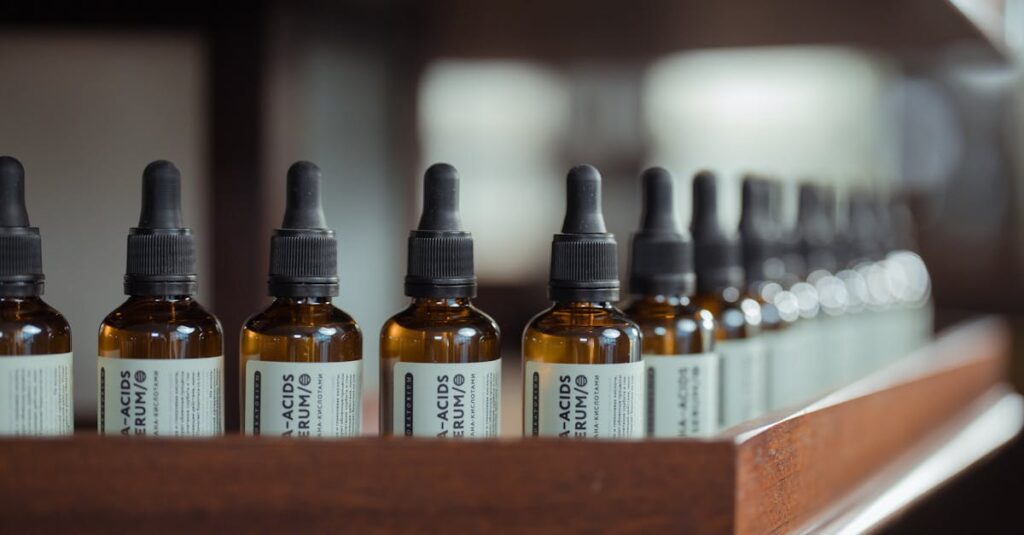
Navigating the world of skincare can feel like a daunting quest, especially when it comes to serum layering order. It’s like trying to solve a Rubik’s Cube while blindfolded—confusing and slightly frustrating! But fear not, because mastering this art can unlock the secret to radiant, glowing skin.
Table of Contents
ToggleUnderstanding Serum Layering Order
Serum layering order plays a crucial role in optimizing skincare routines. Following the right sequence enhances absorption and effectiveness.
Importance of Serum Layering
Layering serums correctly maximizes their benefits. Each formula contains active ingredients designed to target specific skin concerns, such as dryness or uneven tone. Applying them in the right order ensures that the lighter, more easily absorbed serums penetrate the skin before heavier formulas. This method increases product efficacy and reduces the risk of pilling. Research shows that incorrect layering can lead to diminished results, making it essential to prioritize application.
Common Myths About Serums
Several myths surround serum usage that can lead to confusion. One common misconception suggests that all serums work in the same way. In reality, serums differ in texture, consistency, and purpose, making individualized application vital. Another myth involves the belief that more products equal better results. Using too many serums can overwhelm the skin, resulting in irritation rather than improvement. Misunderstandings like these hinder achieving optimal outcomes, so educating oneself can help dispel these myths and promote effective skincare routines.
Step-by-Step Guide to Serum Layering Order
Understanding the right order for serum application enhances effectiveness and absorption. Following this guide simplifies the process.
Cleanser and Toner Preparation
Begin with a gentle cleanser to remove dirt and impurities. Cleansing ensures the skin is prepped, maximizing serum benefits. Next, apply toner to balance the skin’s pH levels. This step aids in hydration and enhances serum penetration. Choose alcohol-free options to avoid dryness and irritation. Opt for toners containing soothing ingredients like aloe vera or chamomile for additional calming effects. Cleansers and toners set the foundation for successful serum layering.
Layering Different Types of Serums
Start by using lighter serums first, as these penetrate deeper into the skin. Water-based serums typically come before oil-based formulas. Consider vitamin C serums for morning routines; they provide antioxidant protection against environmental stressors. Follow this with hydrating serums containing hyaluronic acid for added moisture. Retinol serums work best at night due to their potency. Always allow each layer to absorb fully before applying the next, promoting optimal results. Understanding this order allows for maximum benefits tailored to individual skin concerns.
Factors Affecting Serum Layering Order
Understanding serum layering order involves multiple factors that influence individual skincare routines. Key considerations include skin type and environmental conditions.
Skin Type Considerations
Skin type significantly affects which serums to layer first. Oily skin benefits from lightweight, water-based formulas, while dry skin thrives on richer, oil-based products. Combination skin requires balance, so using a mix of both types is essential. Sensitive skin warrants caution; choosing calming, gentle serums first helps to minimize irritation. Understanding individual skin concerns dictates how to approach layering, ensuring the most effective treatment is applied.
Climate and Environmental Factors
Climate plays a vital role in determining serum application order. In humid climates, lighter serums absorb better, making them ideal for layers near the skin’s surface. Conversely, arid environments necessitate heavier, oil-based serums for moisture retention. Air quality also impacts serum effectiveness; pollution or allergens may require protective antioxidants earlier in the layering process. Taking into account these environmental factors creates a customized approach, enhancing the overall efficacy of the skincare routine.
Best Practices for Serum Application
Understanding the best practices for serum application enhances absorption and maximizes effectiveness. Incorporating the right techniques ensures optimal results tailored to individual skin needs.
Techniques for Effective Absorption
Use patting motions during application to enhance absorption. Applying serums on slightly damp skin can also boost permeability. Focusing on one area at a time allows for better concentration, ensuring each serum penetrates deeply. Reapplying serums post-application promotes additional hydration. Allowing each layer time to absorb before adding another layer makes a significant difference, improving overall skin health.
Timing and Frequency of Application
Morning and evening routines should include serums at different points. Vitamin C serums are ideal for morning use, providing antioxidant protection against environmental aggressors. Hydrating serums can be used both morning and night for consistent moisture. Retinol serums, however, should only be applied at night to prevent sun sensitivity. Establishing a routine of applying serums daily helps achieve long-lasting results tailored to skin concerns.
Understanding serum layering order is crucial for anyone seeking to enhance their skincare routine. By applying serums in the correct sequence, individuals can significantly boost absorption and effectiveness. This knowledge empowers them to tailor their skincare to address specific concerns while avoiding common myths that may lead to subpar results.
Implementing best practices like allowing each layer to absorb and considering skin type and environmental factors can transform a skincare regimen. With dedication and the right approach, achieving radiant, healthy skin is within reach. Embracing this personalized method ensures that every drop of serum delivers its maximum potential.


